

Assisted living facilities support residents who may need help with daily activities, medication routines, and ongoing health monitoring. As care needs grow, technology is becoming a useful way to help staff identify concerns earlier and manage routine tasks more efficiently.
AI in home health care is part of this shift. Similar tools are being adapted for assisted living, where they can help monitor residents, organize health information, and support care teams. AI does not replace nurses or caregivers, but it can provide useful information to guide their work.
Here are seven practical ways facilities are using AI in senior care.
1. Detecting Falls and Monitoring Resident Safety
Falls are a major safety concern in assisted living. AI-powered cameras, motion sensors, and wearable devices can identify unusual movements or possible falls and alert staff.
Some systems can also recognize patterns, such as repeated nighttime movement or changes in walking behavior. This gives caregivers an opportunity to check on residents sooner.
However, these tools should support—not replace—regular safety checks and direct supervision.
2. Tracking Health Through Remote Monitoring
Wearable devices and connected sensors can collect information such as heart rate, activity levels, sleep patterns, and other health measurements.
Home health AI tools can analyze this information and flag unusual changes for staff review. For example, a resident’s activity may decrease over several days, suggesting that a caregiver should check whether the person is feeling unwell.
This type of patient monitoring can help facilities follow residents between routine appointments and respond when something changes.
3. Identifying Health Risks Earlier
AI systems can analyze health records, daily observations, and monitoring data to identify patterns that may indicate a developing problem.
This process, known as risk identification, may help staff recognize concerns such as declining mobility, possible dehydration, or changes in overall health.
For example, repeated changes in activity, appetite, or reported symptoms may prompt a nurse to arrange an assessment. AI can highlight patterns, but healthcare professionals must evaluate the information before deciding what action is appropriate.
4. Supporting Medication Management
Medication routines can become complicated when residents take several prescriptions. AI-supported systems can help organize medication schedules, send reminders, and flag certain potential medication-related concerns.
Depending on the system, software may also help staff review medication records and identify possible inconsistencies.
These AI solutions in healthcare can reduce administrative pressure, but medication decisions and changes should remain under the responsibility of qualified healthcare professionals.
5. Helping Nurses With Clinical Decisions
Care teams regularly make decisions based on symptoms, medical history, observations, and test results. AI tools can organize this information and highlight patterns that may deserve attention.
For example, clinical decision making may be supported by software that summarizes resident records or flags changes in vital signs.
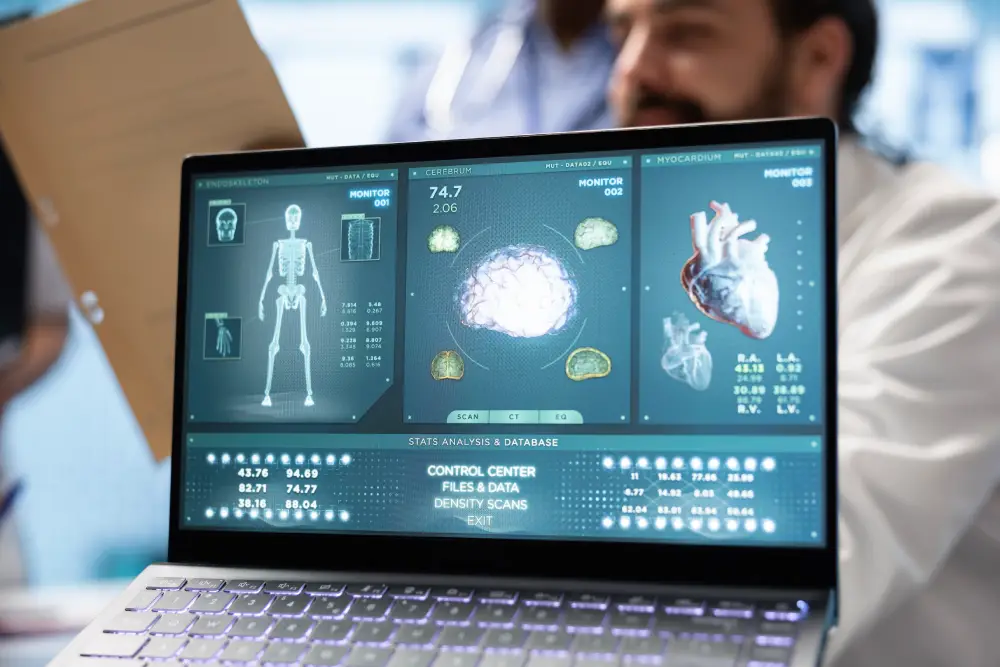
Clinical decision support nursing tools can also help nurses review relevant information and follow established care protocols. They should provide assistance rather than make independent diagnoses or replace professional judgment.
6. Improving Health Records and Care Documentation
Caregivers and nurses spend considerable time recording observations, updating resident information, and preparing reports.
AI-powered documentation tools can help summarize notes, organize records, and convert spoken observations into written text. This can make information easier for authorized staff to review.
The wider use of AI in healthcare also creates opportunities to improve communication between care teams, provided records are checked for accuracy and handled securely.
7. Using Smart Medical Devices and Connected Technology
Modern healthcare technology includes connected monitoring equipment, wearable sensors, and software that analyzes health information.
Some artificial medical devices incorporate AI to support specific functions, such as analyzing medical images or monitoring certain health measurements. In assisted living, connected devices may help staff track relevant changes and share information with healthcare providers.
These AI solutions for medical needs must be selected carefully. Facilities should verify that devices are suitable for their intended use and meet applicable regulatory and safety requirements.
What Should Assisted Living Facilities Consider Before Using AI?
Before adopting new technology, facilities should consider resident privacy, data security, accuracy, and staff training.
AI systems may produce incorrect alerts or overlook important changes. Staff should understand how the technology works, when to question its results, and how to respond to alerts.
Facilities should also check whether a product is regulated as a medical device and whether it has the appropriate authorization for its intended use. The FDA evaluates AI-enabled medical devices under its existing medical device framework.
Most importantly, residents should remain at the center of care. Technology should support personal interaction rather than reduce opportunities for human attention.
conclusion:
AI is creating new ways for assisted living facilities to monitor residents, organize information, and support caregivers. From fall detection to health tracking and documentation, these tools can help care teams respond more effectively to residents’ needs.
Successful adoption requires more than installing new technology. Facilities need reliable systems, trained staff, strong privacy protections, and clear procedures that keep human care and professional judgment at the center.
Frequently Asked Questions
How is AI used in assisted living facilities?
Facilities may use AI for fall detection, health monitoring, medication reminders, risk alerts, documentation, and care coordination.
Can AI replace nurses and caregivers?
No. AI can assist with monitoring and administrative work, but residents still need human judgment, personal care, and professional medical attention.
Is AI in home health care the same as AI in assisted living?
They share many applications, including remote monitoring and risk prediction. However, assisted living technology must also fit the facility’s staffing, safety, and daily care arrangements.
Is AI monitoring safe for older adults?
It can be useful when systems are properly selected, configured, and monitored. Facilities should consider privacy, accuracy, consent, and how staff respond to alerts.
Does AI make healthcare decisions independently?
Some systems provide recommendations or alerts, but clinical decisions should involve qualified professionals. AI output needs appropriate review and oversight.