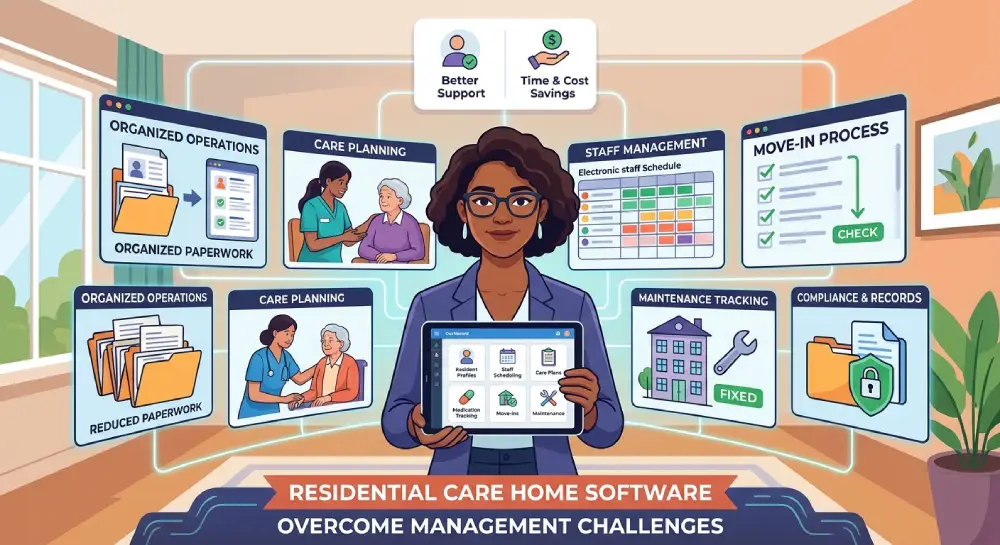
Running a residential care home involves much more than looking after residents. Providers must manage staff schedules, care plans, move-ins, maintenance requests, records, and compliance requirements every day.
When these tasks are handled through paper files, spreadsheets, or separate systems, important details can easily get missed.
Residential care home software brings these daily activities into one place, helping providers stay organized, reduce paperwork, and give residents better support.
1. Keeps Daily Operations Organized
Care home managers handle several responsibilities at once. From tracking resident information to coordinating staff activities, even small administrative tasks can take up valuable time.
Residential care home software helps organize:
- Resident profiles and personal information
- Staff schedules and daily assignments
- Medication and care records
- Incident reports and daily notes
- Important reminders and tasks
Having information in one system makes it easier for staff to find what they need and keep daily operations running smoothly.

2. Makes Resident Care Planning Easier
Every resident has different needs, routines, and care requirements. Keeping track of these details manually can become difficult, especially as the facility grows.
Software with care planning features allows providers to create and update individual care plans, record changes, and share relevant information with authorized staff.
This helps ensure caregivers understand each resident’s needs and follow consistent care routines.
3. Simplifies the Move-In Process
Welcoming a new resident involves several steps, including collecting documents, completing assessments, preparing rooms, and communicating with family members.
Top assisted living move-in workflow platforms help providers manage these tasks through organized checklists and digital records.
A typical move-in workflow may include:
- Collecting resident and family information
- Completing assessments and required forms
- Preparing care plans
- Assigning rooms and staff
- Confirming that necessary documents are complete
Using assisted living software for move-in compliance can reduce missed steps and make the transition easier for residents and their families.
4. Helps Manage Staff and Daily Responsibilities
Staff coordination is another major challenge for residential care providers. Managers need to make sure shifts are covered and responsibilities are clearly assigned.
Assisted living provider software can help with staff scheduling, task assignments, shift updates, and communication.
Instead of relying on multiple spreadsheets or paper schedules, managers can keep important information accessible in one place.
5. Improves Maintenance Tracking
A safe and comfortable facility requires regular maintenance. Small issues, such as faulty equipment, plumbing problems, or damaged furniture, can become bigger concerns when they are not addressed quickly.
Assisted living maintenance software helps providers:
- Record maintenance requests
- Assign repair tasks
- Track work orders
- Schedule routine inspections
- Monitor completed and pending repairs
This makes it easier to maintain the building and respond to problems before they affect residents.
6. Supports Compliance and Recordkeeping
Residential care facilities must maintain accurate records and follow applicable regulations. Missing documents or incomplete records can create problems during inspections and audits.
Residential care home software can help providers store assessments, care plans, incident reports, staff records, and other important documents.
Digital records also make it easier to find information when needed. However, software does not automatically guarantee compliance. Providers must choose a system that supports their local licensing and regulatory requirements.
7. Helps Small Facilities Save Time and Money
Smaller care homes often have limited administrative staff and budgets. They may not need a complicated system designed for large assisted living organizations.
The best senior care software for small facilities should be easy to use, affordable, and flexible enough to support daily operations.
Look for features such as:
- Resident management
- Digital care plans
- Staff scheduling
- Medication and incident records
- Billing and reporting
- Secure document storage
A simple system that handles essential tasks may be more useful than an expensive platform with features your facility rarely needs.
8. Supports Transitional Living Home Operations
Transitional living homes have their own management needs. Providers may need to track resident progress, appointments, program participation, assigned responsibilities, and transition plans.
Transitional living home operations software can help organize these activities and keep records accessible to authorized staff.
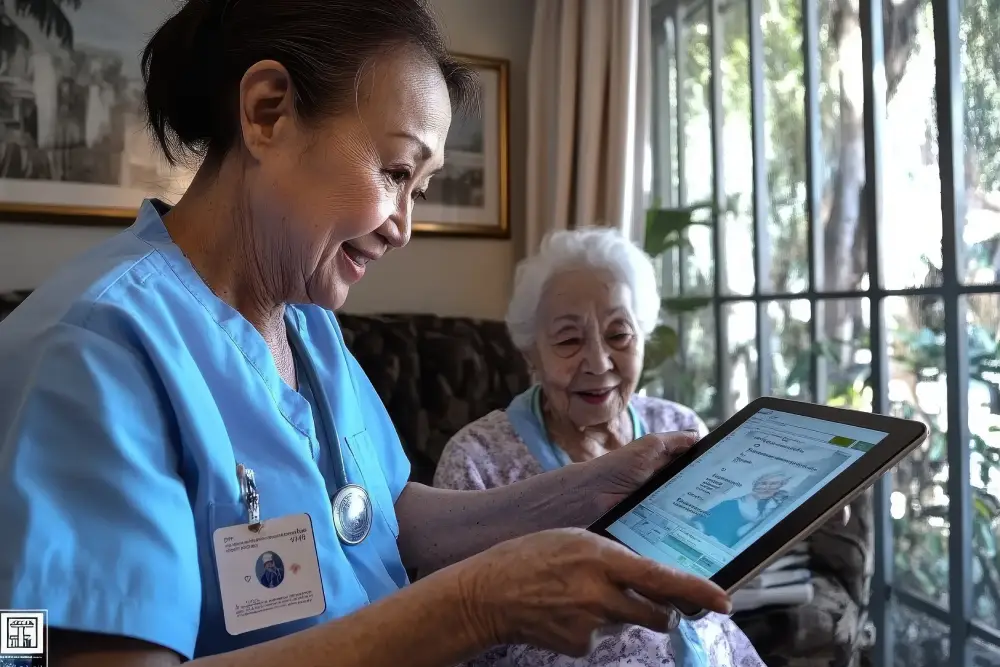
It can also make communication easier between team members, helping providers monitor progress and coordinate support.
Conclusion:
Managing a residential care home comes with constant responsibilities, but the right software can make daily work easier.
The best residential care home software is not necessarily the one with the most features. It is the one that fits your facility’s needs, supports your staff, and helps maintain a safe and well-managed environment.
Frequently Asked Questions
What is residential care home software?
It is a digital system that helps care home providers manage residents, staff, care plans, records, maintenance, and daily operations.
Is residential care home software suitable for small facilities?
Yes. Many systems offer basic features that help smaller facilities manage records, schedules, and care responsibilities without extensive paperwork.
What features should assisted living software include?
Useful features include resident management, care planning, medication records, staff scheduling, incident reporting, and compliance documentation.
How does software improve assisted living move-ins?
It helps organize assessments, forms, room assignments, care plans, and required documents through digital workflows.
Can assisted living software help with compliance?
It can support accurate recordkeeping and document management, but providers must still follow applicable regulations and complete required checks.
What is assisted living maintenance software?
It helps facilities track repair requests, assign work orders, schedule inspections, and monitor maintenance tasks.
Can transitional living homes use residential care software?
Yes. These homes can use suitable platforms to track resident information, progress, appointments, and daily responsibilities.
Is senior care software expensive?
Costs vary depending on the provider, facility size, features, and number of users. Comparing plans and requesting a demo can help identify a suitable option.
Does assisted living provider software replace caregivers?
No. It supports administrative and care coordination tasks but does not replace caregivers or professional judgment.
How do I choose the best residential care home software?
Compare ease of use, care planning features, move-in workflows, maintenance tools, security, compliance support, and pricing before choosing a platform.