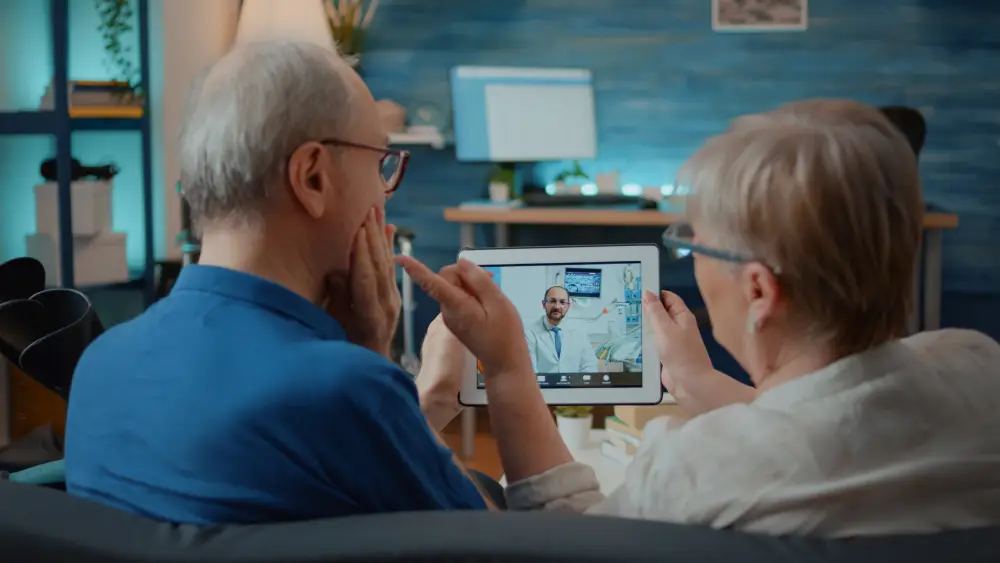
Senior living communities are increasingly using digital tools to improve resident care, manage medications, and simplify daily operations. Senior care technology helps caregivers access important health information, coordinate tasks, and maintain accurate records.
In 2026, technology is becoming an important part of modern senior care. When implemented thoughtfully, it can reduce administrative work, support safer care practices, and give staff more time to focus on residents.
What Is Senior Care Technology?
Senior care technology encompasses digital systems employed in assisted living communities and nursing homes, as well as other senior care providers. These tools can facilitate EHR, medication management, care planning, communication and operational reporting.
Instead of relying on scattered paper records, care teams can use connected systems to access resident information and coordinate daily responsibilities.
How EHR Platforms Improve Resident Care
An EHR platform enables authorized personnel to manage and retrieve residents’ electronic health records in an integrated, centrally managed system. It can contain medical notes, treatment plans, allergies, medication lists, care notes and more, depending on its content.
Records are important to have for the caregiver to know the residents’ needs and to communicate with the next shift. Staff have the ability to retrieve information with ease if it is relevant to their needs, by using appropriate access controls and not having to trawl through so many files.
Reducing Medication Errors
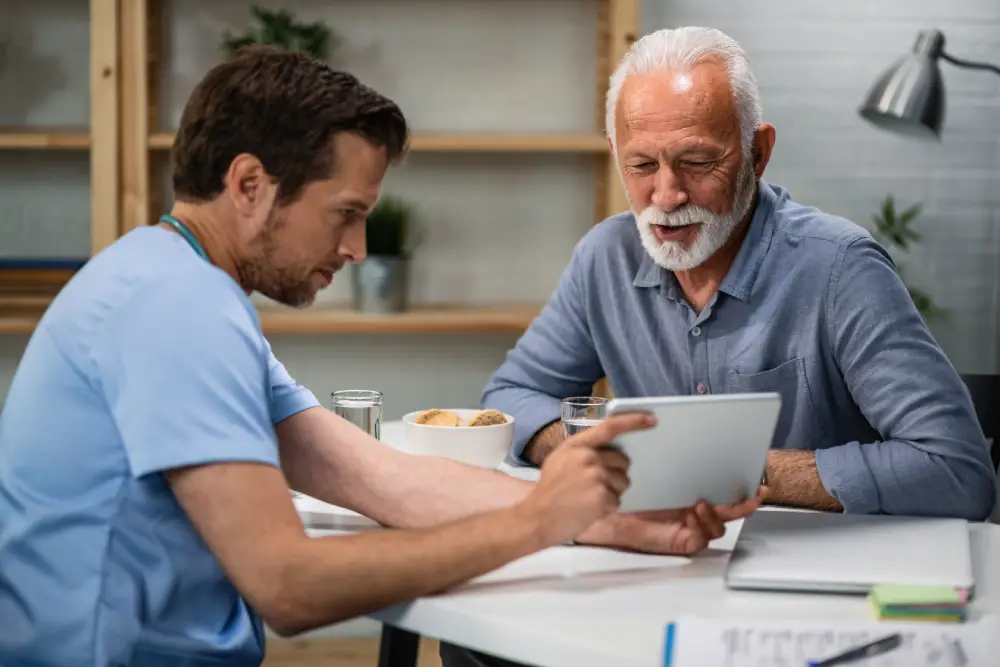
Senior care is a vital business with regard to medicine management. Failure to take medications as prescribed, scheduling or not completing medication history can pose a risk to safety, especially for those who are taking multiple medications.
Digital medication systems may remind and record medication administration and highlight some discrepancies. These resources can be used to reduce medication errors but not as a substitute for staff training, clinical judgement and medication procedures.
Improving Care Documentation
Care documentation is accurate to capture staff observations, daily activities, medication given and any changes in residents’ conditions.
Digital documentation can facilitate access to and the updating of information. It can also be used to pinpoint any missing entries and to keep the records more uniform.
Senior care technology can help alleviate repetitive paperwork, letting caregivers focus more on helping residents and staying on track with paperwork.
Connecting Systems Through EHR Integrations
Staff members might have to input the same data several times if care systems are separate. EHR integrations enable compatible software to share information about residents, minimizing duplicate data entry and ensuring consistent data.
For instance, integrating an EHR with the medication or resident monitoring system can make it easier to access relevant updates. The industry’s advancements in 2026 are increasingly focused on connected workflows and real-time information sharing.
Strengthening Compliance and Data Security
Senior care facilities are required to safeguard private information for their residents and keep proper records. Compliance controls can be aided by digital systems by controlling access to the systems, with audit trails, documentation requirements and secure handling of information.
But software can’t ensure compliance. There is still a need for the appropriate policies, staff training, access reviews, and procedures for responding to security incidents at facilities.
Improving Senior Living Operational Efficiency
Senior living operational efficiency software can centralize care documentation, care schedules, medication workflows, and care operational reporting.
These can assist managers in determining if there is a lack of documentation, coordinating team tasks and tracking daily activities. Leading Age’s research results released in October 2026 also show that most of the larger nonprofit facilities are using electronic records and point of care documentation systems.
Choosing the Right Electronic Health Record System
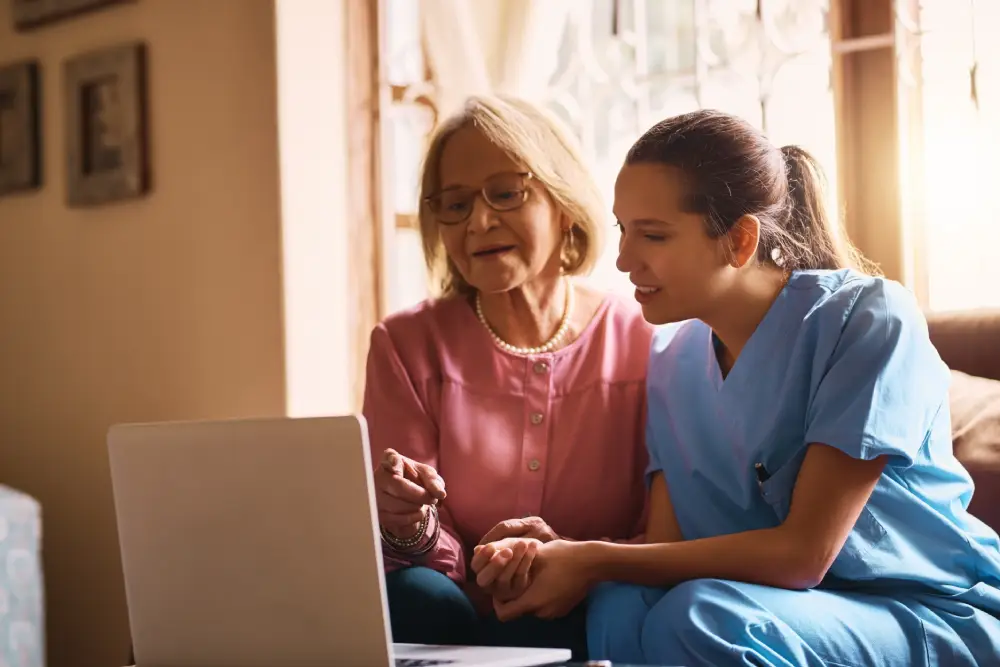
Senior living providers shouldn’t only look at the best electronic medical record systems or the top electronic health record systems in terms of ranking, but by the type of care that the provider offers.
Search for a system that has easy documentation, medication management, trustworthy integrations, reporting features and suitable privacy protection. Inquire from vendors about the typical workflows they have and how the platform meets your facility’s regulations.
The correct solution needs to meet the needs of the residents and staff, and enable the organization to grow without excessive complexity.
Conclusion
Senior care technology is assisting communities to coordinate resident details, enhance documentation, enable medication safety, and handle day-to-day operations. These tools can be used in combination with staff training and careful implementation to shift the focus of the caregiver from paperwork to caring for the resident.
Selecting the right EHR platform, bolstering compliance measures, and ensuring proper integration of key systems can help senior living providers create a more cohesive, efficient care approach in 2026.
Frequently Asked Questions
What is senior care technology?
Senior care technology includes digital tools that help care providers manage resident information, medication routines, documentation, communication, and daily operations.
How does an EHR platform help senior living communities?
An EHR platform acts as a single repository, guiding the efficient access of health care information to authorized users for reviewing medical histories, care plans, medication lists, and progress notes.
Can technology help reduce medication errors?
Certain errors can be prevented with digital medication records, reminders and alerts. Staff will need to continue to adhere to medication procedures and double check information.
What are EHR integrations?
EHR Integrations are designed to link different software applications that are compatible to enable data sharing between applications and prevent duplicate data entry, ensuring consistency in data records.
Why is electronic health information important?
The use of accurate electronic health information allows caregivers to have a better understanding of the needs of their residents, to coordinate care, and to be informed of the resident’s needs based on current records.
How does technology improve care documentation?
Digital documentation enables staff to consistently document observations and tasks completed which allows for easy access to, review and updating of documentation.
What are compliance controls in senior care software?
These can involve access control, logging, data security, and mandatory documentation processes that adhere to regulatory requirements and company policies.
What should providers look for in the best electronic medical record systems?
Ease of use, medication management, reporting, integrations, security, vendor support and suitability for their type of senior care facility are all key considerations for providers.
Can senior care technology improve operational efficiency?
Yes. Workflows can be connected and administrative tasks automated, eliminating repetitive tasks and improving staff coordination.
What challenges can arise when introducing new technology?
Issues that often arise include training staff, integration issues, implementation costs, privacy issues, and resistance to workflow changes. Addressing these issues can be done with planning and continual support.