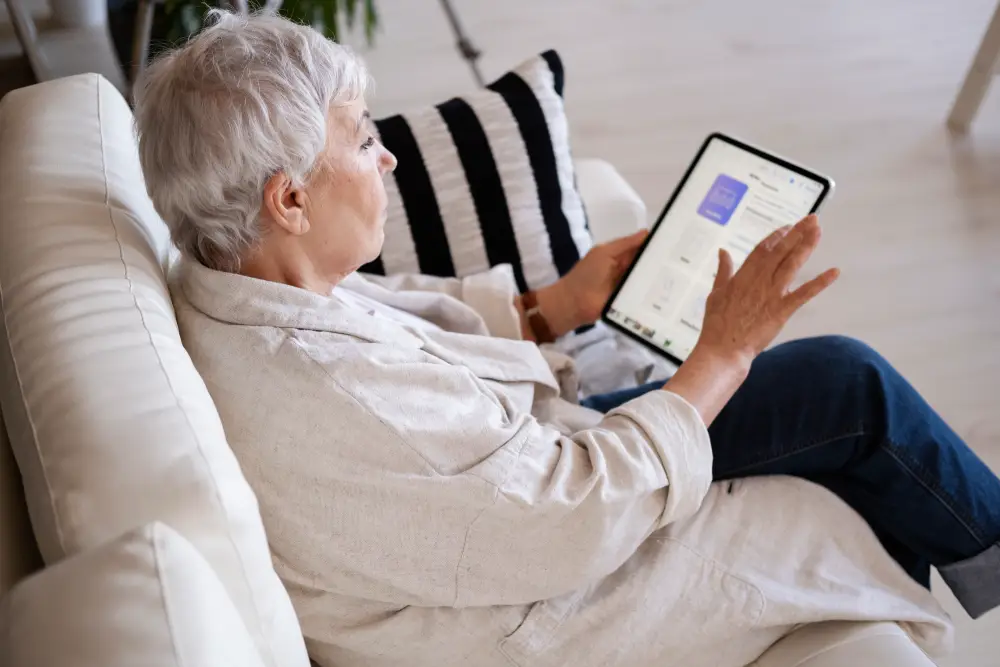
Senior living communities manage many responsibilities, including resident care, staff scheduling, billing, recordkeeping, and family communication. The right technology can help simplify these tasks, reduce administrative work, and give staff more time to focus on residents. However, senior living automation and senior living software serve different purposes, even though they often work together.
What Is Senior Living Software?
Senior living software helps assisted living communities and care facilities manage their everyday operations. Depending on the platform, features may include resident records, care plans, billing, employee schedules, medication documentation, and communication with families.
For example, staff can use a software platform to update resident information, organize schedules, and prepare monthly invoices. Having these records in one place can improve coordination and reduce paperwork.
However, employees may still need to enter information, send reminders, and update multiple systems manually. Senior living automation can help simplify these repetitive steps and make existing software more efficient.

What Is Senior Living Automation?
Senior living automation is a technology that can automate repetitive administrative tasks, with minimum manual efforts. Actions can be triggered based on criteria, notifications sent, reports can be created, and information can be passed between systems, all with automated workflows.
For instance, if you run automated billing, you can create an invoice, remind the customer when they overdue and inform accounting when they become unpaid. This will then allow staff to concentrate on individual exceptions instead of filling out individual tasks.
AI powered automation can be used to add value by categorizing documents and extracting information, or to process repetitive inquiries. Where tasks are sensitive about residents’ information, financial matters or care responsibilities remains significant.
How Does Senior Living Technology Improve Daily Operations?
Modern senior living technology helps communities coordinate administrative work, maintain accurate records, and improve communication between departments. Systems that are connected can minimize duplicate data entry and make important data easily available.
You can use automation to assist with appointment reminders, document approvals, routine reporting and notifications within the organization. The improvements can help to minimise delays and save staff time in dealing with paperwork.
Each tool is a type of assisted living technology and communities can select the tools to address their specific operating needs. Technological solutions should complement, not supersede, the skills and knowledge of a nurse or other healthcare staff members in providing personal interaction and professional judgement when caring for residents.
How Can Automation Improve Workforce Management?
Employee scheduling, tracking attendance, coordinating shifts and staffing coverage are all part of senior living workforce management. These tasks can be challenging if a facility is running 24 hours a day without any breaks.
Automated workflows can remind workers of their shifts, alert the scheduling system for conflicts and notify management when extra shifts are needed. They can also participate in establishing attendance data and making routine workforce reports.
They help to facilitate coordination, but managers need to retain control over staffing decisions where staff needs and resident safety is concerned.
Can Accounts Receivable Automation Simplify Billing?
Follow up on billing and payment can be a significant administrative burden. One of the ways that accounts receivable automation helps in streamlining tasks is through the delivery of invoices, payment reminders, account updates and notifying customers about overdue amounts.
A workflow might, for instance, send a reminder prior to the invoice going overdue and alert the accounting department to take additional steps if necessary. It provides uniformity in the process and helps to alleviate the need to manually monitor each account.
Communities can also implement ar automation software that can assist them in handling periodic billing obligations and tracking unpaid bills. The ideal solution is going to work with current accounting systems and enable employees to go through disputed charges, payment mistakes and unusual circumstances.
What Software Is Best for Small Assisted Living Facilities?
When selecting software for small assisted living facilities there is a balance to consider between the features required and their cost and usability. For smaller communities, a more complex platform with advanced features geared toward larger healthcare organizations might not be necessary.
Check the invoice management, payment tracking, financial reporting and compatibility with other business applications when reviewing assisted living accounting software. The ideal option would be one that will serve today’s needs but also have the space to accommodate for growth in the future.
How Can Healthcare Data Security Be Maintained?
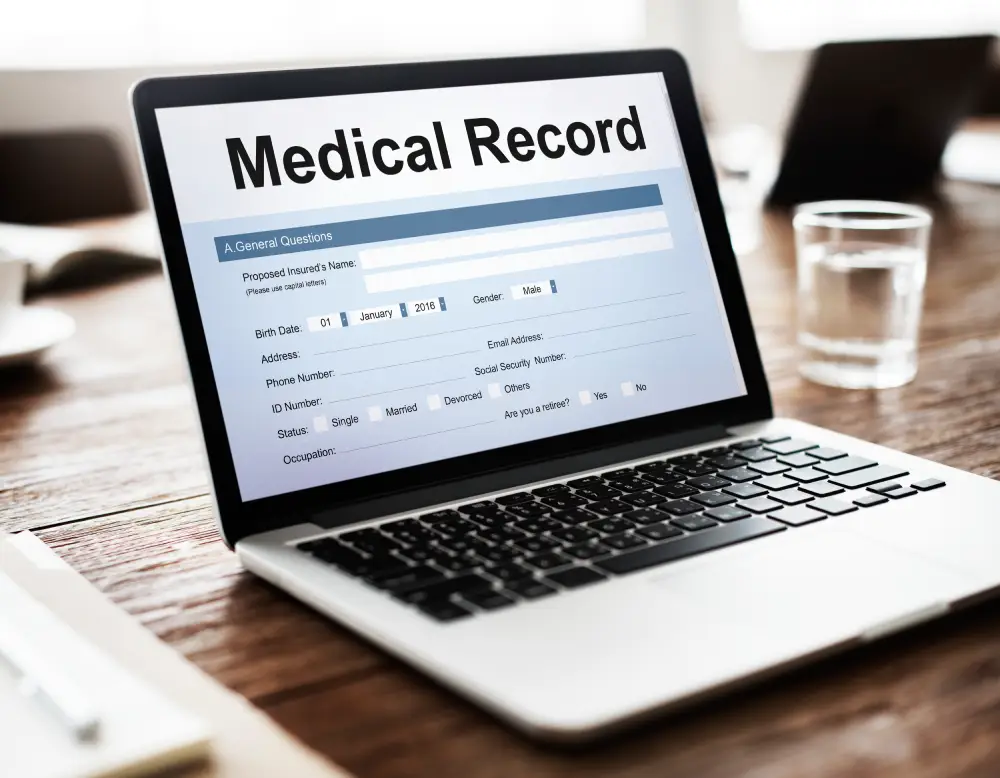
Healthcare data security is essential because senior living communities handle sensitive resident, employee, and financial information. Appropriate access controls, encryption, secure backup and activity logging should be used in systems to aid in the protection of information from unauthorized access.
Communities also need to consider the question of how information flows from connected applications to others and if the third party has appropriate security practices. No matter how automated, there should be no replacement for appropriate safety measures, nor should employees have access to records that they don’t need.
HIPAA-compliant facilities should test their systems and processes to determine if they comply with the applicable requirements. There’s more to being HIPAA compliant automation than just software.
Frequently Asked Questions
Is senior living automation the same as senior living software?
No. Software is used to store and perform tasks/operations, and automation eliminates repetitive manual tasks and links tasks. Both are utilized in many communities.
Can automation work with existing senior living software?
Yes, if there are integrations that are compatible. Linking systems can help to minimize redundant data entry and facilitate information flow between departments.
What tasks can senior living automation handle?
Automation can be helpful with the reminder functions for invoices, routing documents, staff notification, appointment reminder, routine reporting and other repetitive administration tasks.
Is AI-powered automation suitable for senior living?
It can assist with document processing and regular administrative duties. But for decisions that touch on matters of resident care, safety or finances, sensitive decisions should be given appropriate human oversight.
Does automated senior living software need to be HIPAA compliant?
HIPAA requirements vary depending on the organization, the kind of information they manage and the services they deliver. All facilities subject to HIPAA should evaluate the requirements that apply to them and put in place appropriate measures to protect their privacy.