

Healthcare is drowning in paperwork. The old paper charts are gone. But the digital transition has created its own headaches. Too many options. Too many features. Too much confusion.
Here is the thing. EMR integration systems are not just about replacing paper. They are about making healthcare better. Faster. More accurate. The right system changes how a practice runs.
Solutions like Caring data also help healthcare providers simplify care management and improve daily workflows.
The 2026 market is crowded. But a few emr and ehr software rise above the rest. In this guide you will know what is emr in healthcare and how has emr changed healthcare.
EMR vs EHR: What Is the Difference?
People use these terms like they are the same thing. They are not.
Electronic medical records (EMR) are digital versions of paper charts in a single practice. They work within one clinic. Medical electronic record systems do not travel well.
Electronic health records (EHR) go further. They share information across providers. Labs, specialists, hospitals, everyone gets access. They follow the patient wherever they go .
The difference between ehr and emr matters. An EMR is a digital filing cabinet. An EHR is a connected network.
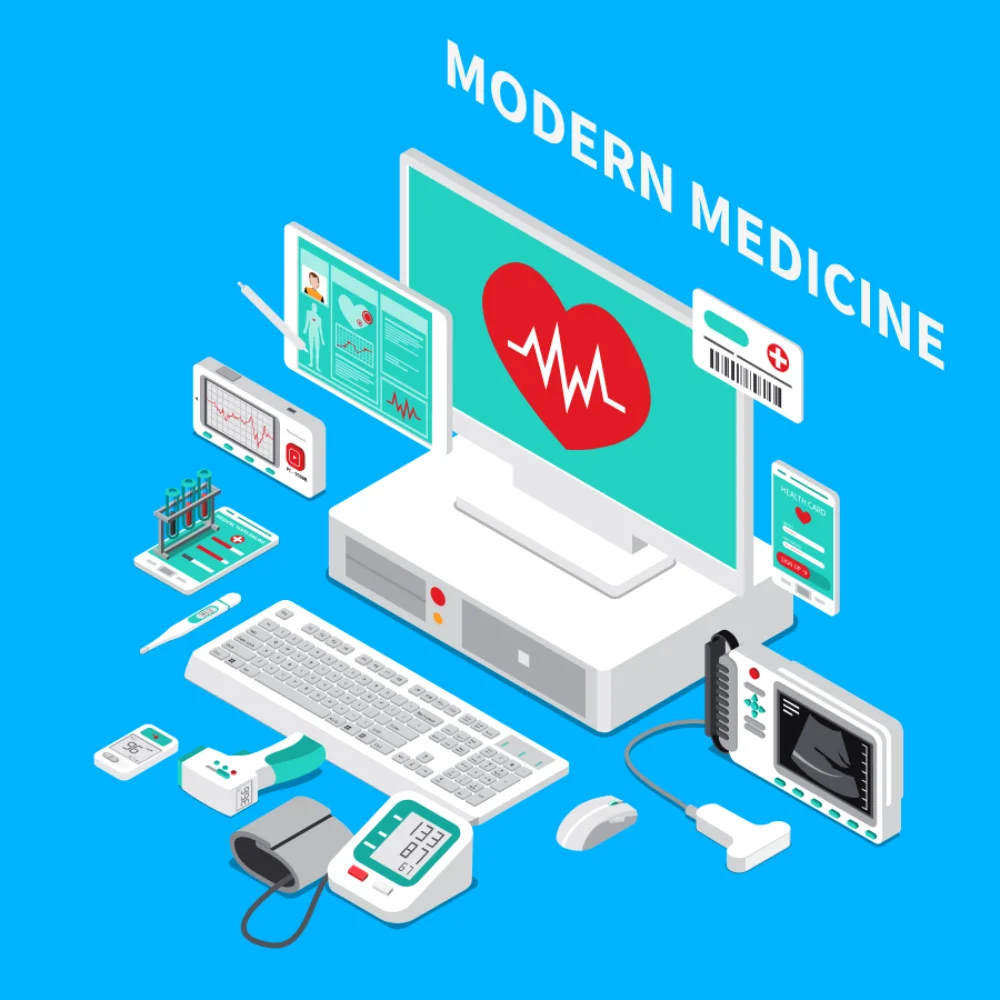
Types of EMR Systems
Understand the categories before searching what is emr systems are?
Specialty-specific systems. Built for cardiology, orthopedics, or pediatrics. Templates match the workflow. Less customization required.
Cloud-based systems. Hosted remotely. Access from anywhere. No servers to maintain. Regular updates included.
On-premise systems. Installed on local servers. Full control over data. Higher upfront costs. IT support required.
Open-source systems. Free to use. Customizable. Requires technical staff to manage. Lower cost, higher responsibility.
What Are the 10 Best EMR Systems in 2026?
1. Epic
Epic is the 800-pound gorilla. It holds about 42% of the U.S. acute care EMR market and records for 305 million patients. MyChart is the industry standard for patient portals . Specialty modules cover oncology, obstetrics, and more.
Best for large health systems, academic medical centers, and hospital-owned practices. Pricing is custom enterprise quote. Not cheap. Implementation takes time and IT capacity.
- Watch-out: Smaller organizations can join a sponsor’s Epic instance through Community Connect, but they inherit the sponsor’s build choices.
2. Oracle Health (formerly Cerner)
Oracle Health combines the legacy Millennium platform with a next-generation EMR that debuted in 2025. The Clinical AI Agent drafts notes and suggests orders . Its data layer joins clinical, claims, and pharmacy information for population health work.
Oracle Health works best for hospitals and large health systems that want integrated clinical records. Pricing is custom enterprise quote.
- Watch-out: Customers on Millennium face a migration path to the new platform, and timelines depend on Oracle’s rollout schedule.
3. MEDITECH Expanse
MEDITECH Expanse serves about 15% of the U.S. hospital EMR market . It is a strong fit for community and critical access hospitals. The MEDITECH-as-a-Service subscription lets smaller hospitals stay independent at lower cost. Ambient listening is built into the Expanse Now mobile app .
Best for community hospitals, critical access hospitals, and smaller acute care facilities.
- Watch-out: The third-party app marketplace is smaller than Epic’s, and some advanced modules trail larger enterprise vendors.
4. eClinicalWorks
eClinicalWorks is the volume leader in ambulatory EMR, with 850,000+ medical professionals using the system across 20+ countries. The single database joins charting, billing, and claims data . Specialty tools cover 40+ specialties. The healow app handles patient scheduling, telehealth, and check-in.
Best for ambulatory practices, multi-specialty groups, and independent clinics. Pricing is quote-based per-provider subscription.
- Watch-out: In 2017, eClinicalWorks paid a $155 million settlement over False Claims Act allegations about certification testing . The product has been recertified since, but buyers should ask hard questions about quality controls .
5. Athenahealth (athenaOne)
AthenaOne bundles EMR with managed billing in one cloud platform. The network model pushes payer rule updates to every practice automatically. AI-generated chart summaries link back to source sections of the record. Specialty templates cover 20+ ambulatory specialties .
Best for ambulatory and outpatient practices that want billing integrated with clinical workflows.
Pricing is quote-based and bundled with revenue cycle services.
- Watch-out: Practices that want standalone EMR without billing services lose much of the platform’s value. Pricing ties to collections, so high-revenue practices pay more in absolute terms.
6. NextGen Office
NextGen Office targets practices with one to ten physicians. Specialty blueprints ship with the platform. Ambient listening drafts SOAP notes from visit conversations. Integrated billing is included. Practices that outgrow it have an upgrade path to NextGen Enterprise.
Best for small to mid-sized ambulatory practices, especially specialty clinics like orthopedics .
- Watch-out: Office and Enterprise are different systems. The upgrade is a migration, not a toggle.
7. AdvancedMD
AdvancedMD runs charting, scheduling, and billing on one database with one login. The task “donut” dashboards visually rank work queues, a signature feature. AdvancedMD NOW offers a lower-cost edition for mental health practices. The platform scales to MSOs and IPAs.
Best for independent practices, mental health, and groups that want integrated scheduling and billing.
- Watch-out: AdvancedMD does not ship a native ambient AI suite to match eClinicalWorks or NextGen.
8. Tebra
Tebra formed from Kareo. It joins charting, billing, telehealth, and reputation management in one login . AI note drafting speeds visit notes. Kareo was named Best in KLAS for small practice ambulatory EMR (1-10 physicians) in 2021.
Best for independent practices of one to ten physicians. Pricing is quote-based modular subscription.
- Watch-out: Larger groups will outgrow it. The KLAS award predates the Tebra rebrand.

9. DrChrono
DrChrono is a modern, mobile-first solution. It integrates patient scheduling, billing, and clinical documentation. Providers can access records and manage workflows from any device. Telemedicine, e-prescribing, and patient portals are included. Robust customization options allow practices to tailor templates and workflows.
Best for small practices and independent providers who want mobile access.
- Watch-out: May not have enough depth for larger orthopedic groups with complex surgical workflows.
10. OpenEMR
OpenEMR is the most widely adopted open-source EMR software in the world. The license is free. It is ONC-certified and covers SOAP notes, e-prescribing add-ons, billing, and a patient portal. The open API lets practices connect third-party AI scribes . Community clinics and global health programs use it widely.
Best for practices with in-house IT, budget-constrained organizations, and community clinics. Free open-source license; hosting and support costs vary by vendor.
- Watch-out: Someone has to host, patch, secure, and back up the system. HIPAA compliance depends on how each site configures it. Practices without technical staff should budget for a commercial support vendor.
Caring data is an example of assisted living software that helps providers manage care more efficiently.
How to Choose the Right EMR System
The question is not “Which is the best?” It is “Which fits my practice?”
For large health systems and hospitals: Epic, Oracle Health, and MEDITECH Expanse are the enterprise options.
For ambulatory and multi-specialty groups: eClinicalWorks, Athenahealth, and NextGen Office are strong contenders.
For small practices and solo providers: Tebra, AdvancedMD, and DrChrono offer accessible entry points.
For orthopedic and specialty practices: ModMed Orthopedics, NextGen, and eClinicalWorks offer strong specialty templates.
For budget-conscious organizations: OpenEMR provides a free open-source option if you have IT capacity.
Conclusion
EMR systems are essential in 2026. The right one improves efficiency, reduces errors, and supports better patient care. The choice depends on size, specialty, and budget. Evaluate carefully, and the best EMR system will be obvious.
Whether you choose a traditional EMR or a care management solution like Caring Data, selecting the right platform can improve patient care.
Frequently Asked Questions
What are the top EMR systems in 2026?
Epic, Oracle Health, MEDITECH Expanse, eClinicalWorks, Athenahealth, NextGen Office, AdvancedMD, Tebra, DrChrono, and OpenEMR are top choices in 2026.
What is the ehr and emr difference?
An EMR is a digital record used within a single practice. An EHR is a connected record that follows the patient across providers, labs, and hospitals.
What are the key features of a modern EMR system?
Patient charting, scheduling, e-prescribing, billing, telehealth, patient portals, and AI-assisted documentation are core features.
Which EMR system is best for a small private practice?
Tebra, AdvancedMD, DrChrono, and OpenEMR are strong options for small practices. They balance cost with functionality.
Which EMR system is best for orthopedic practices?
ModMed Orthopedics is specialty-specific for orthopedics. Athenahealth, NextGen, and eClinicalWorks can also be configured for orthopedic workflows.
How much does an EMR system cost?
Cost varies widely. Enterprise systems like Epic use custom quotes. Small practice platforms like DrChrono offer published subscription tiers. HealthIT.gov estimates purchase and installation run $15,000 to $70,000 per provider.
What are free EMR options?
OpenEMR and OpenMRS are free open-source systems. They require in-house IT support for hosting and maintenance.