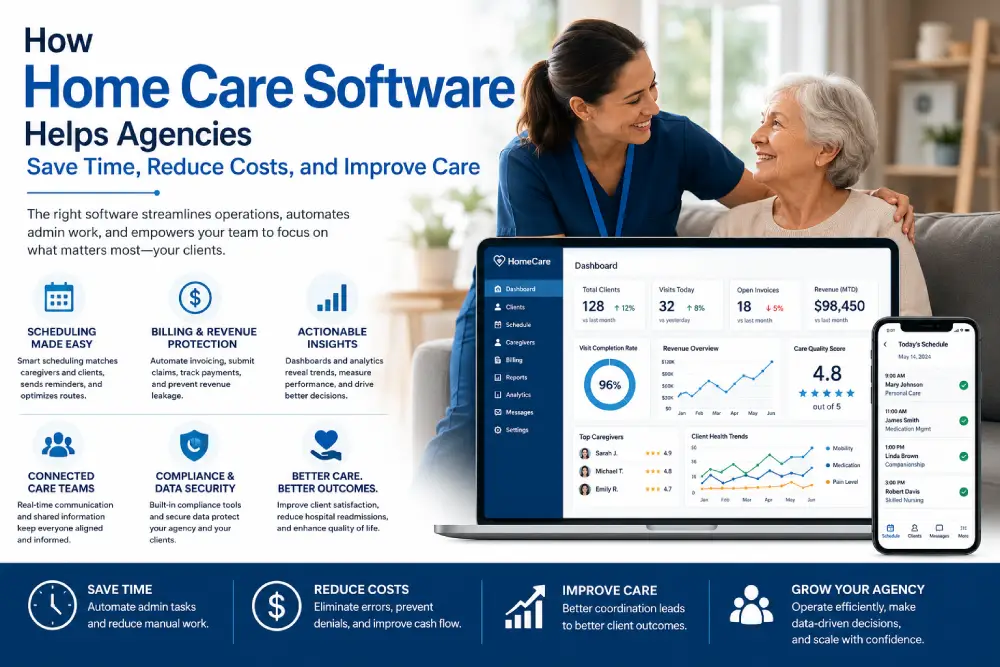
Running a home care agency? It’s tough. You got scheduling staff, billing clients, tracking patient progress, it piles up quickly. It gets overwhelming fast. But home care software? It handles all that boring stuff so your caregivers can actually focus on what matters most — the people they’re there to help. This guide covers how the right home care software transforms operations.
What Is Home Care Software
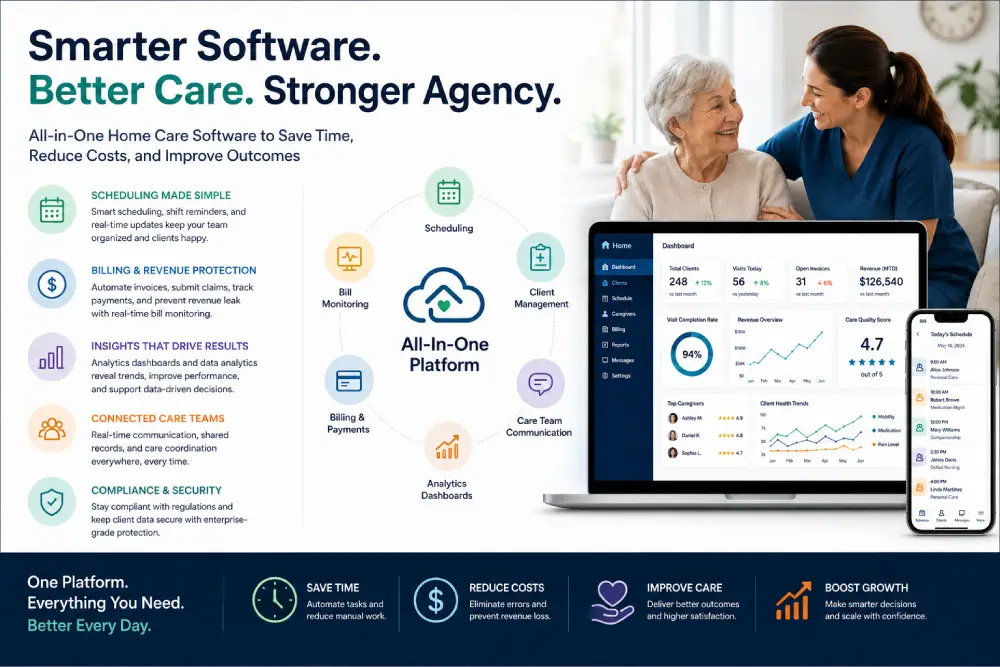
Home care software is a digital platform that helps agencies manage everything. Scheduling, billing, client records, staff communication. All in one place. Think of it as the command center. Every client gets tracked. Every visit gets logged. Every bill gets processed. When done right, home care software shows exactly how the agency performs.
Scheduling Software Saves Hours Every Week
Scheduling is a nightmare without good tools. Phone calls, spreadsheets, sticky notes. It is chaos. Scheduling software fixes this mess. Good software handles:
- Matching caregivers with clients
- Tracking availability and time off
- Sending automatic shift reminders
- Managing last-minute cancellations
- Optimizing travel routes
Managers save hours each week. No more playing phone tag. No more double-booked shifts. Scheduling software makes everything run smoother.
Billing System That Actually Works
Chasing payments is exhausting. Paperwork gets lost. Invoices go unpaid. Billing system tools automate the whole process. A solid billing system includes:
- Automatic invoice generation
- Insurance claim submission
- Payment tracking and reminders
- Client billing history
- Financial reporting
No more manual calculations. No more missed payments. A good billing system keeps cash flowing consistently.
Bill Monitoring System Prevents Revenue Leak
Money slips through cracks without proper oversight. A bill monitoring system catches problems before they cost money. Bill monitoring system features:
- Real-time payment tracking
- Overdue invoice alerts
- Claim denial management
- Revenue forecasting
- Financial trend analysis
Catch issues early. Fix them fast. A bill monitoring system protects the bottom line.
Analytics Dashboards Show What Matters
Data is useless if nobody can understand it. Analytics dashboards turn numbers into clear pictures. It display:
- Client health trends
- Staff performance metrics
- Financial summaries
- Visit completion rates
- Care quality indicators
See what is working and what is not. Make changes quickly. Analytics dashboards drive better decisions.
Data Analytics Reveals Hidden Patterns
Raw numbers tell stories. Data analytics uncovers those stories. Patterns emerge that nobody noticed before. Data analytics helps with:
- Identifying high-risk clients
- Predicting staff turnover
- Spotting billing errors
- Tracking care quality
- Finding operational bottlenecks
Numbers do not lie. Data analytics reveals the truth about agency performance.
Interoperability Connects Everything
Systems should talk to each other. Interoperability makes that happen. Different tools share information seamlessly. Interoperability means:
- Client records sync across platforms
- Billing data flows to accounting
- Scheduling updates reflect in real-time
- Care notes appear in client charts
- No duplicate data entry
When systems connect, work gets easier. Interoperability eliminates silos and confusion.
Data-Driven Decisions Replace Gut Feelings
Guessing is risky. Data-driven decisions use facts instead of hunches. Data-driven decisions involve:
- Reviewing performance metrics
- Analyzing client outcomes
- Evaluating staff effectiveness
- Assessing financial health
- Planning for growth
Trust the numbers. Make smarter choices. Data-driven decisions lead to better results.
Data Visibility Empowers Everyone
People need access to information. Data visibility puts the right data in the right hands. It means:
- Managers see agency-wide performance
- Staff access client information
- Clients view their care plans
- Family members get updates
- Everyone stays informed
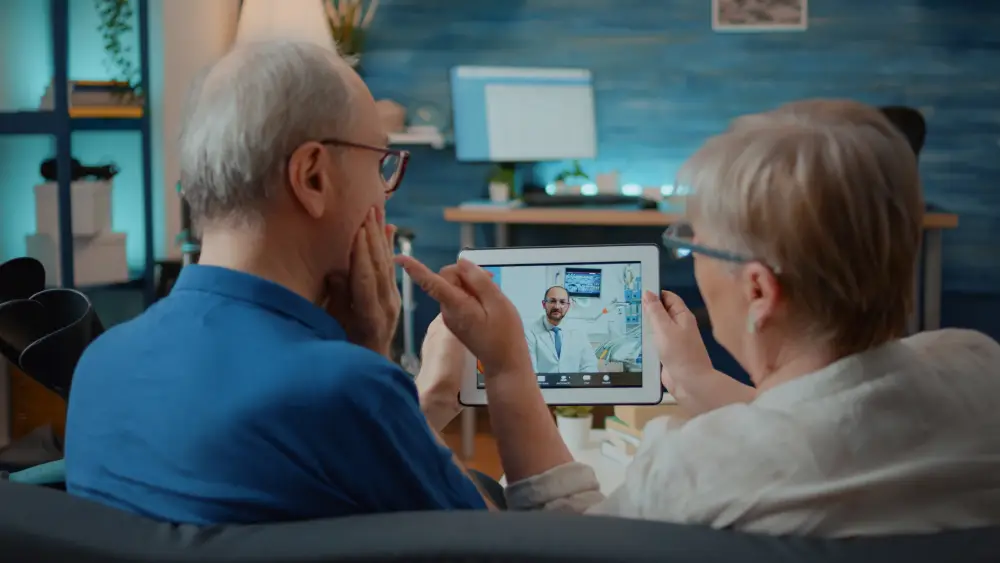
Transparency builds trust. Data visibility keeps everyone on the same page. When caregivers have good tools, clients get better care. Care software makes this possible. Patients deserve seamless care. Connected care delivers it.
Care Teams Work Better Together
Collaboration matters. Care teams need to communicate effectively. It benefits from:
- Shared client records
- Real-time messaging
- Task assignments
- Progress updates
- Joint care planning
Good software brings care teams together. Better communication means better results.
Workforce Management Keeps Staff Happy
Staffing is the biggest headache. Workforce management tools make it easier. It handles:
- Hiring and onboarding
- Training and certification tracking
- Shift scheduling and time off
- Performance evaluations
- Payroll and benefits
Happy staff stay longer. Workforce management keeps everyone satisfied.
Operational Efficiency Boosts Profits
Running lean is smart. Operational efficiency eliminates waste and saves money. It means:
- Streamlining workflows
- Automating routine tasks
- Reducing paperwork
- Minimizing errors
- Maximizing revenue
Do more with less. Operational efficiency makes agencies profitable.
Care Outcomes Improve With Better Tools
Everyone wants better results. Care outcomes measure what matters. Better outcomes include:
- Fewer hospital readmissions
- Improved client satisfaction
- Better health metrics
- Faster recovery times
- Higher quality of life
Good software supports good outcomes. Care outcomes reflect agency quality.
Home Health Software for Specialized Needs
Different care settings need different tools. Home health software addresses specific requirements. Home health software features:
- Medicare compliance tracking
- Clinical documentation
- OASIS assessment tools
- Therapy scheduling
- Physician communication
Specialized needs require specialized tools. Home health software delivers.
Senior Living and Skilled Nursing Integration
Agencies serve diverse populations. Senior living and skilled nursing have unique needs. Senior living software handles:
- Independent living tracking
- Assisted living care plans
- Memory care documentation
- Activity scheduling
Skilled nursing software manages:
- Complex medical care
- Therapy documentation
- Regulatory compliance
- Staff certification
Different settings need different approaches. Good software adapts.
Hospice Care Requires Special Attention
End-of-life care is unique. Hospice software supports these special needs. The features include:
- Comfort care plans
- Symptom tracking
- Volunteer coordination
- Bereavement support
- Regulatory documentation
Sensitive care needs sensitive tools. Hospice software supports dignity.
Conclusion
Home care software transforms agencies. Scheduling, billing, care tracking, everything gets easier. Managers save time. Costs go down. Care improves. Invest in the right home care software. Use scheduling software to eliminate chaos. Implement a billing system that works. Add a bill monitoring system to prevent leaks. Leverage analytics dashboards for clear insights.
Coordinate through connected care and focus on operational efficiency. The right home care software makes all the difference. Agencies that adopt good technology thrive. Those that stick with paper and spreadsheets struggle. The choice is clear.
Frequently Asked Questions
What does home care software actually do?
It puts everything in one place — scheduling, billing, client records, staff stuff. Runs smoother, saves time.
How does scheduling software help home care agencies?
It matches caregivers with clients, tracks who’s available, sends shift reminders, and handles cancellations. Managers save hours every week.
Why is a billing system important for home care agencies?
Creates invoices, submits insurance claims, tracks payments, sends reminders. No more chasing money or lost paperwork.
What is a bill monitoring system and why do I need one?
Tracks payments, alerts you about late invoices, handles claim denials, forecasts revenue. Keeps money from slipping through.
How do analytics dashboards help decision-making?
Shows client health trends, staff performance, finances, care quality in simple visuals. You see what works and fix what doesn’t.
What is interoperability in home care software?
Different systems sharing info smoothly. Client records sync, billing flows to accounting, scheduling updates instantly.
How does data analytics improve care outcomes?
Finds hidden patterns — high-risk clients, staff turnover predictions, care trends. You make smarter choices with real data.
What is connected care and why does it matter?
Connects primary care, specialists, and home care in one system. Info flows between teams. No gaps. Better health.
How does home health software differ from general home care software?
Includes Medicare compliance, clinical notes, OASIS tools, therapy scheduling, and doctor communication. Built for clinical settings.
Can home care software improve care outcomes?
Yes. Better tools mean better tracking, fewer errors, coordinated care. Fewer hospital readmissions. Happier clients.